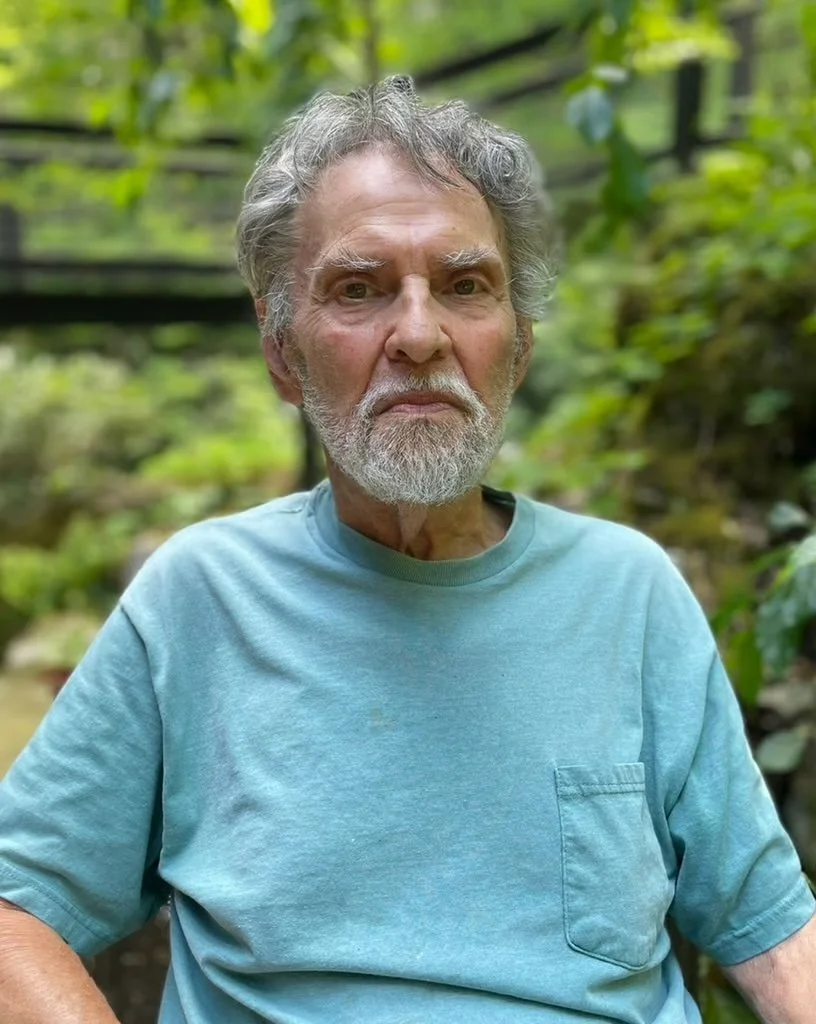
Gregory Smith
& Lowell Hayes
June 10 - July 6, 2024
Opening: June 15, 4 - 6 pm
“We are as much a part of the environment as it is of us.” - Gregory Smith
-
The Blue Ridge Mountains are a serene escape from contemporary life. Over the last several decades, the landscape has gone through a dramatic evolution but has always been well behind the curve of modernity. The diverse flora and fauna have been allowed to flourish without much interference from humanity. With the influx of population and tourism, the protections that come with rurality are shifting. The roads are expanding and the skyline is changing, the peace and beauty that has drawn people to this area is now harder to find. “My hope is that people don’t destroy the beauty that they are trying to find by coming here,” says Greg Smith.
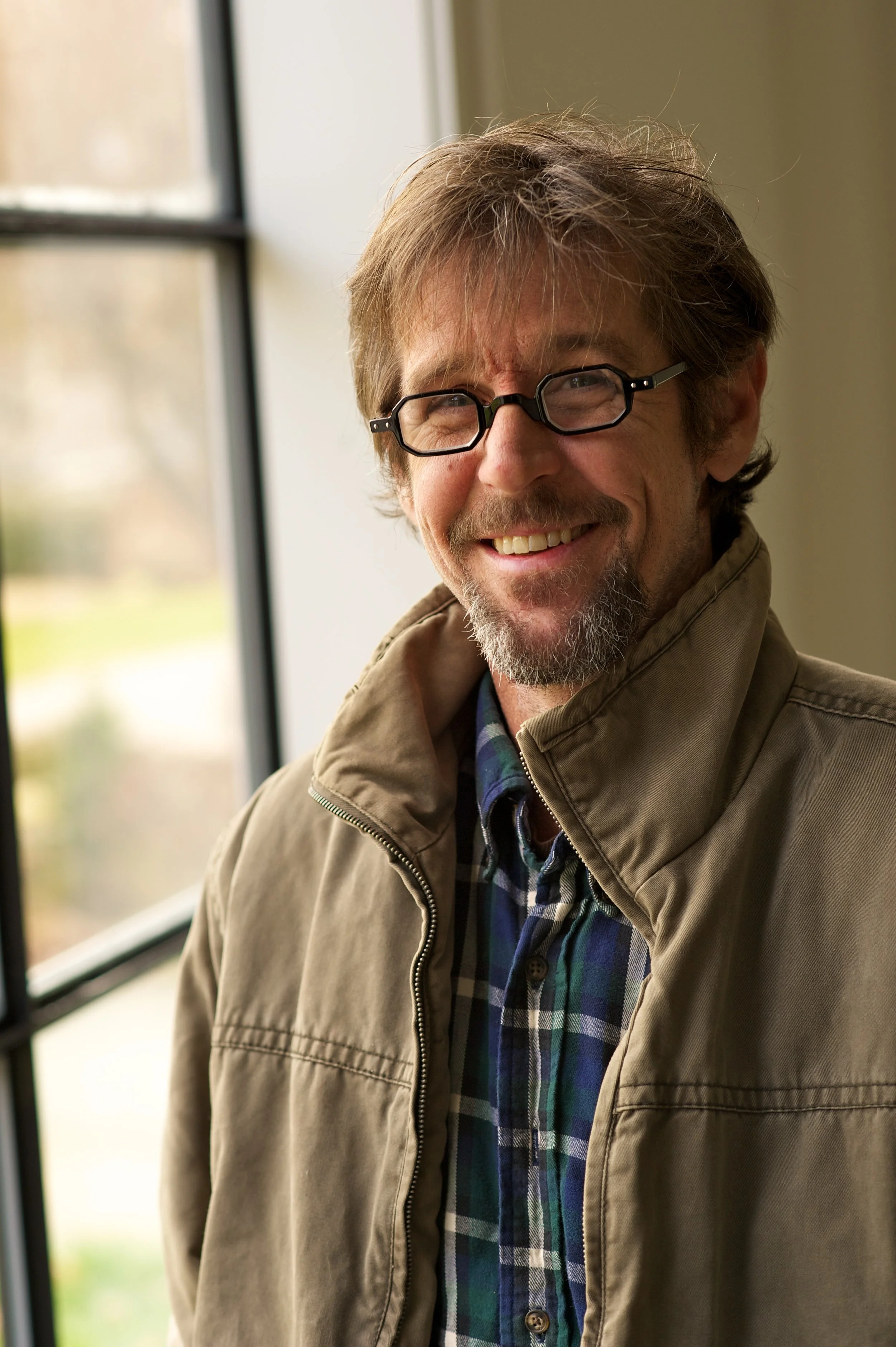
The peace and beauty of Appalachia is what kept Lowell Hayes and Greg Smith here their whole lives. Both born in the area, their eyes are very open to the changes taking place. They are each exploring the evolution of the area through their art in very different ways. One creates art to act as preservation through memory and the other presents more of a warning of what could come if we aren’t careful.
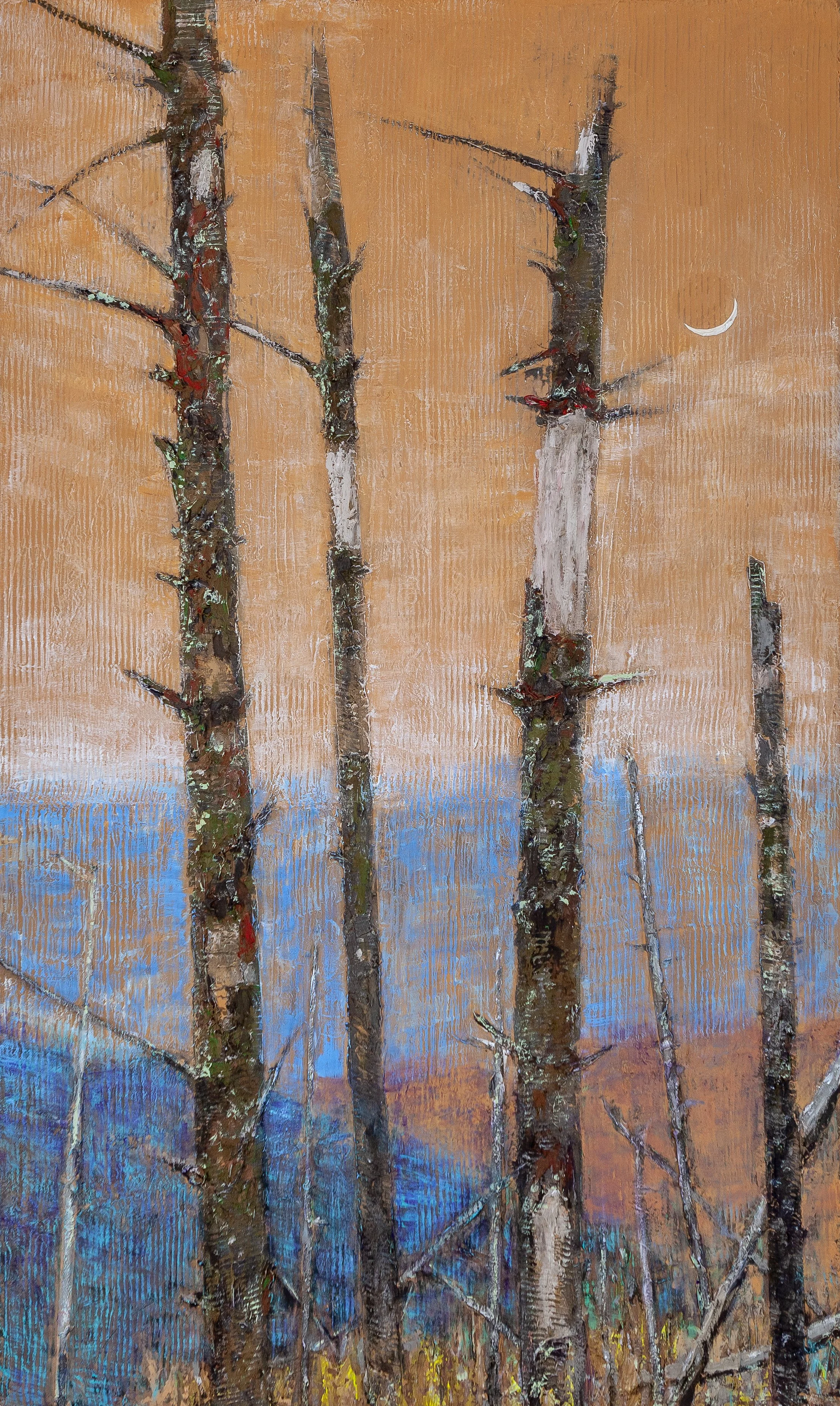
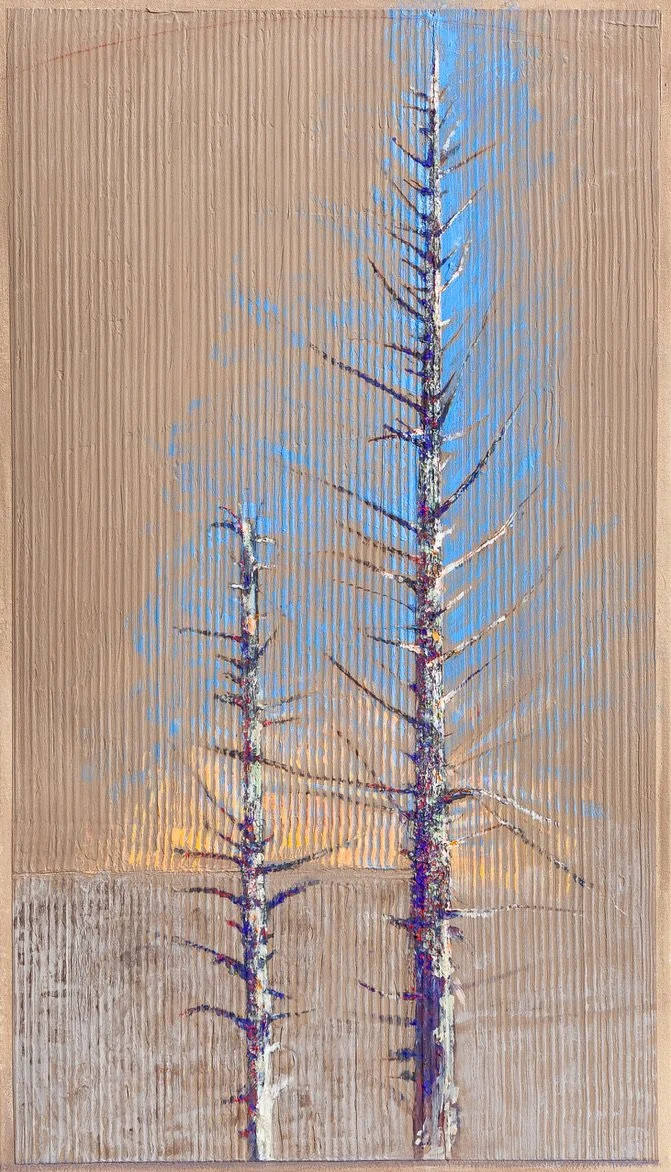
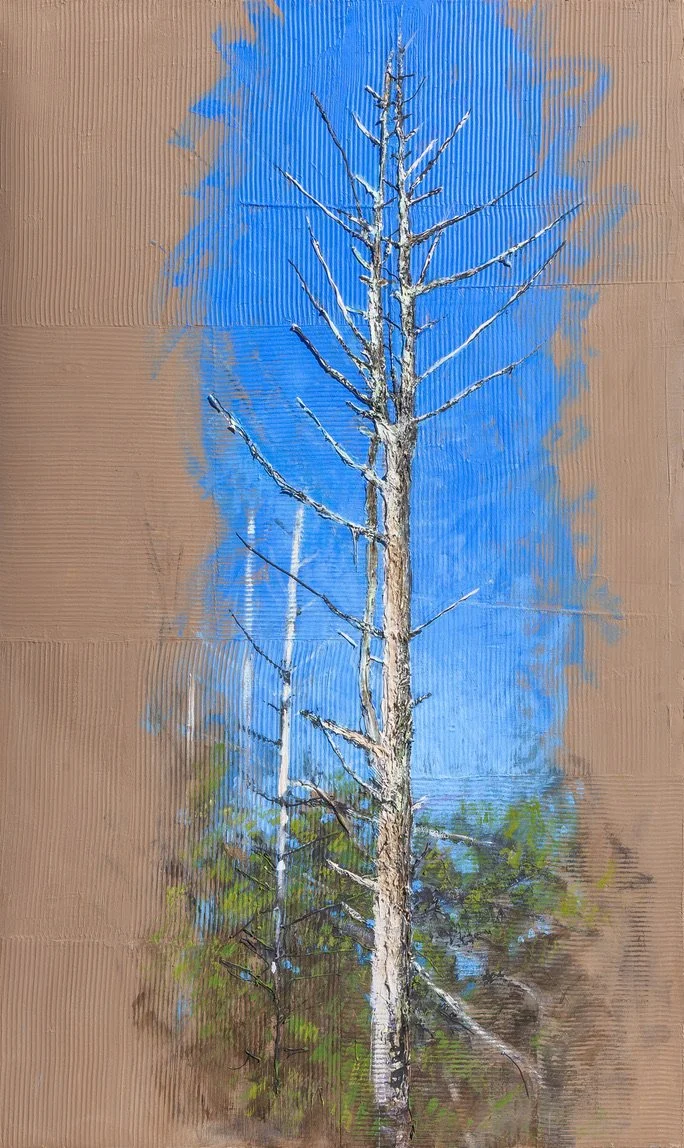
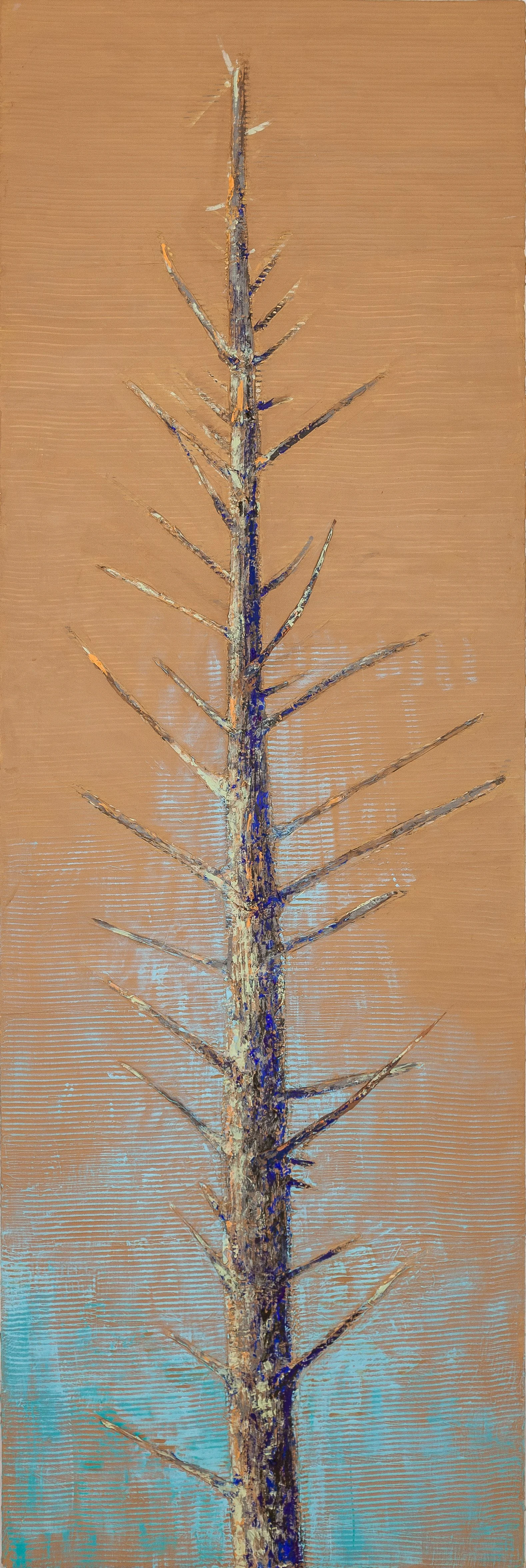
Oftentimes landscape artists will omit things to depict an idealized scene regardless of the reality. Greg Smith believes in representing the truth in a landscape even if the truth isn’t pretty. Sometimes that reality includes lush vistas with a road cutting through it, withering trees on the verge of falling over, wildfires blazing on the skyline and a landscape permanently scarred by mining. “We are as much a part of the environment as it is of us,” Greg points out. One of his largest focuses in his upcoming exhibition is the loss of hemlock trees. Once growing rampant in the Appalachian mountains, the hemlock is a keystone species in the ecosystem of the region. Today almost 80% of these majestic beasts have died off. “For the first time I want to just focus on all these skeletons that are all over the place… maybe if people see them it will force them to think about them more,” contributing to the larger conversation on the transformation of the environment. Both the subject matter of his recent body of work and the technique used to create it is intentional. With what he calls “cardboard paintings,” Greg hopes to draw attention to the connections no one thinks about. By creating this faux cardboard from paint it makes the trees look as if they were painted on a surface which was made from them. “We live in a world where connections are so buried but so deep.”
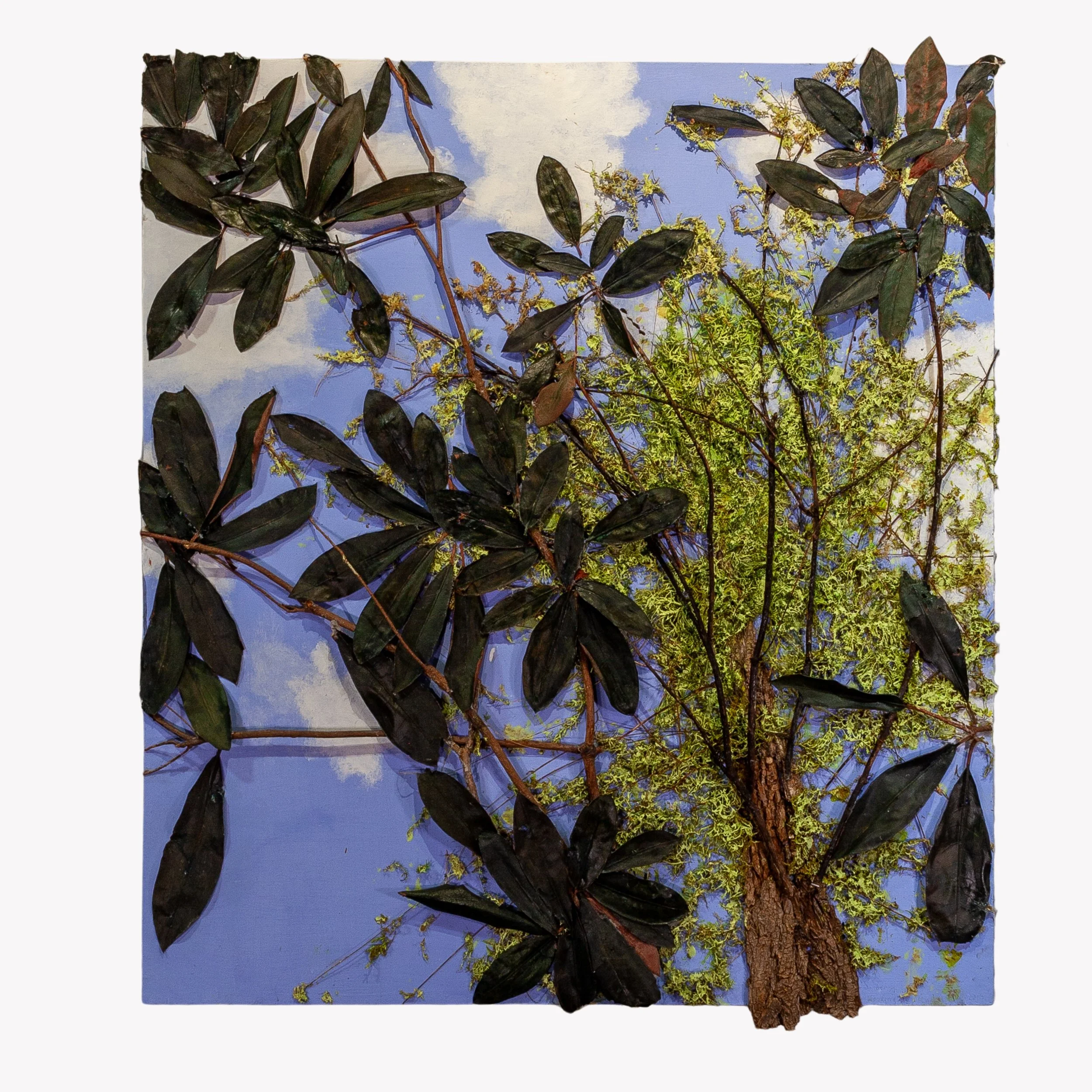
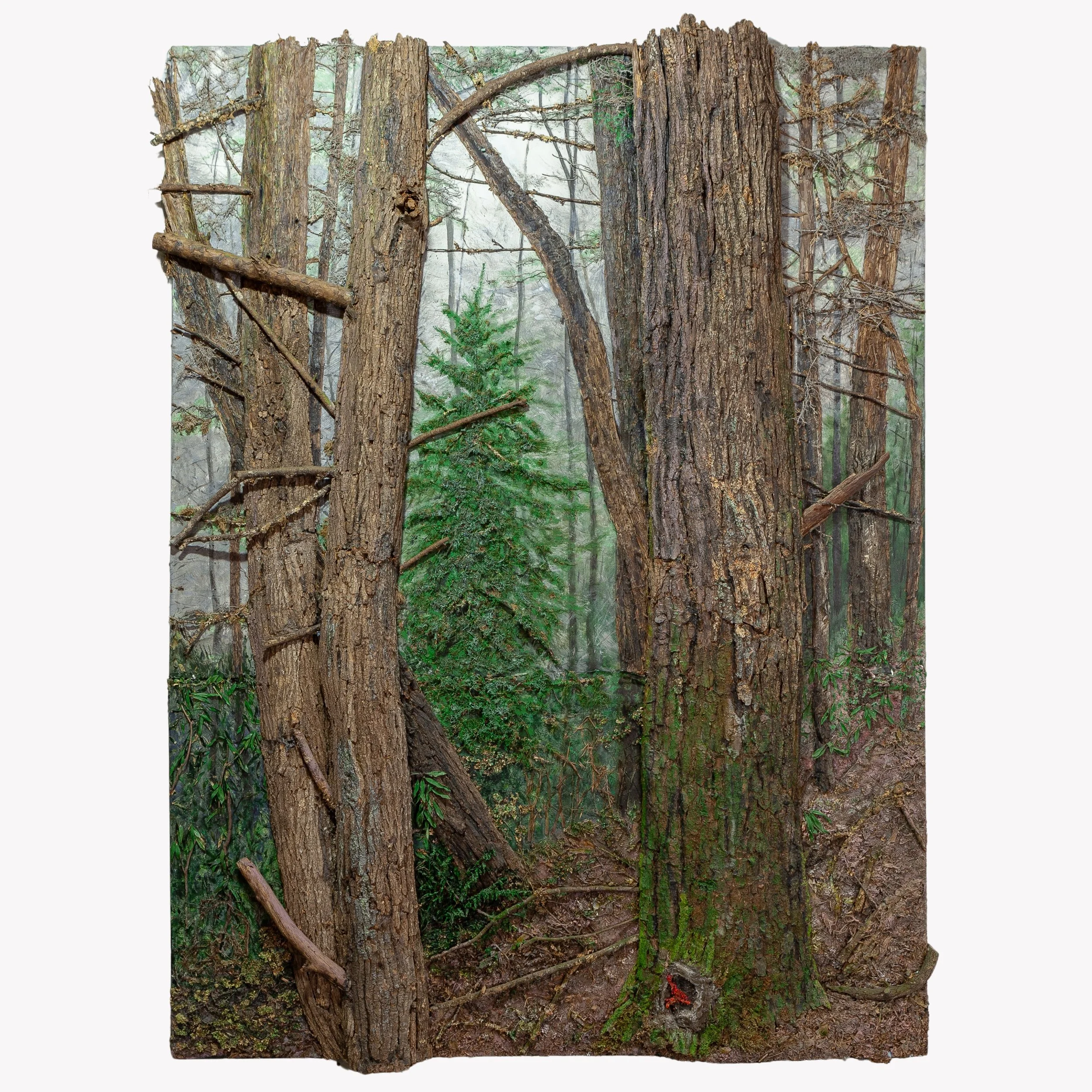
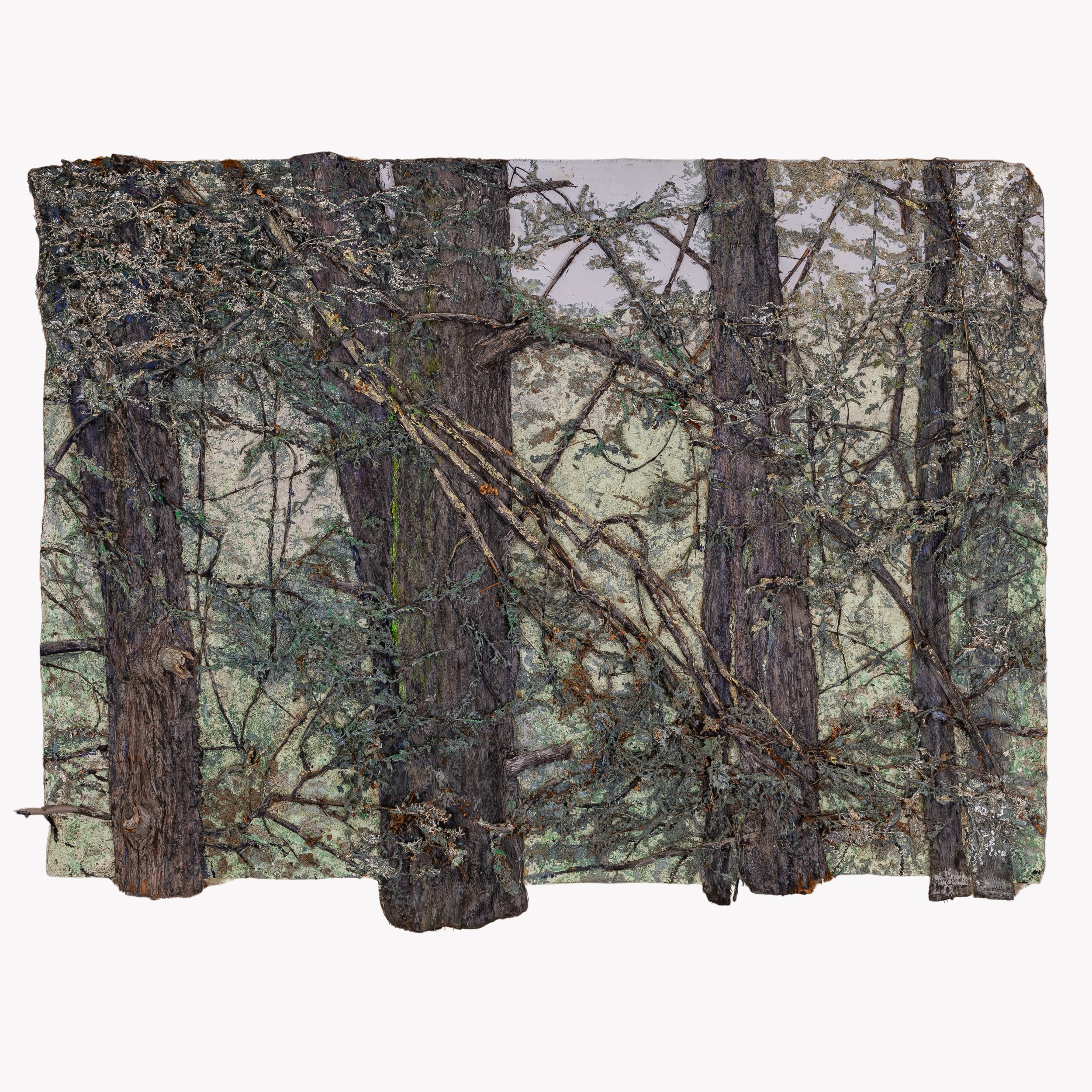
While Greg highlights the footprint of man on the landscape, Lowell Hayes celebrates the small scenes that remain untouched. He has seen the area evolve in every direction over the almost ninety years he has been here. In the height of the great depression, when he was born, the mountains had been scalped for lumber. Later nature began to heal itself and reclaim its rightful home after the national forests were granted more protections. He built his home deep in the woods to fully immerse himself in the beauty of the landscape, making efforts to leave the smallest impact possible. His art is based on patterns that he observes in the natural world, “they are abstract as well as realistic.” Taking a micro view of a macro scene, he sees patterns in random tangles of branches and thinks “now that’s worth it.” Lowell is very affected by the changes happening with the climate. As a former political activist, he believes “we are on the edge of losing our precious habitat…I want to pay attention to it. It is like painting my mother before she died.”
Lowell met Greg in the 1980s when he recognized the artistic talent in the teenager and took him under his wing to help him cultivate his craft. The upcoming June exhibition will be the pair's first time in their forty year relationship exhibiting side by side.
Exhibiting together for the first time are Gregory Smith and his former mentor Lowell Hayes. These Appalachian locals have intertwined their work with the surrounding landscape both literally and metaphorically, exploring the evolution of the area over the past several decades.