
may 13 - june 6
reception : may 16, 4 — 6
Join us Saturday, May 16, from 4 — 6 pm, at the gallery to meet the artists, see their work in person, and spend an evening with people who care about it.
Wines selected by Peabody's Wine & Beer Merchants, with a tasting pairing chosen for this exhibition. Hors d'oeuvres from the gallery and our friends.
Two painters. Two very different roads into the Southern landscape. Finney is a working impressionist who spent fifteen years drawing for Disney before turning to oil full-time; Davis is an English-born painter and novelist who crossed an ocean for a single book about Alabama and never really left. Hung together, they ask the same question from two directions: what do you actually owe a landscape when you decide to paint it?
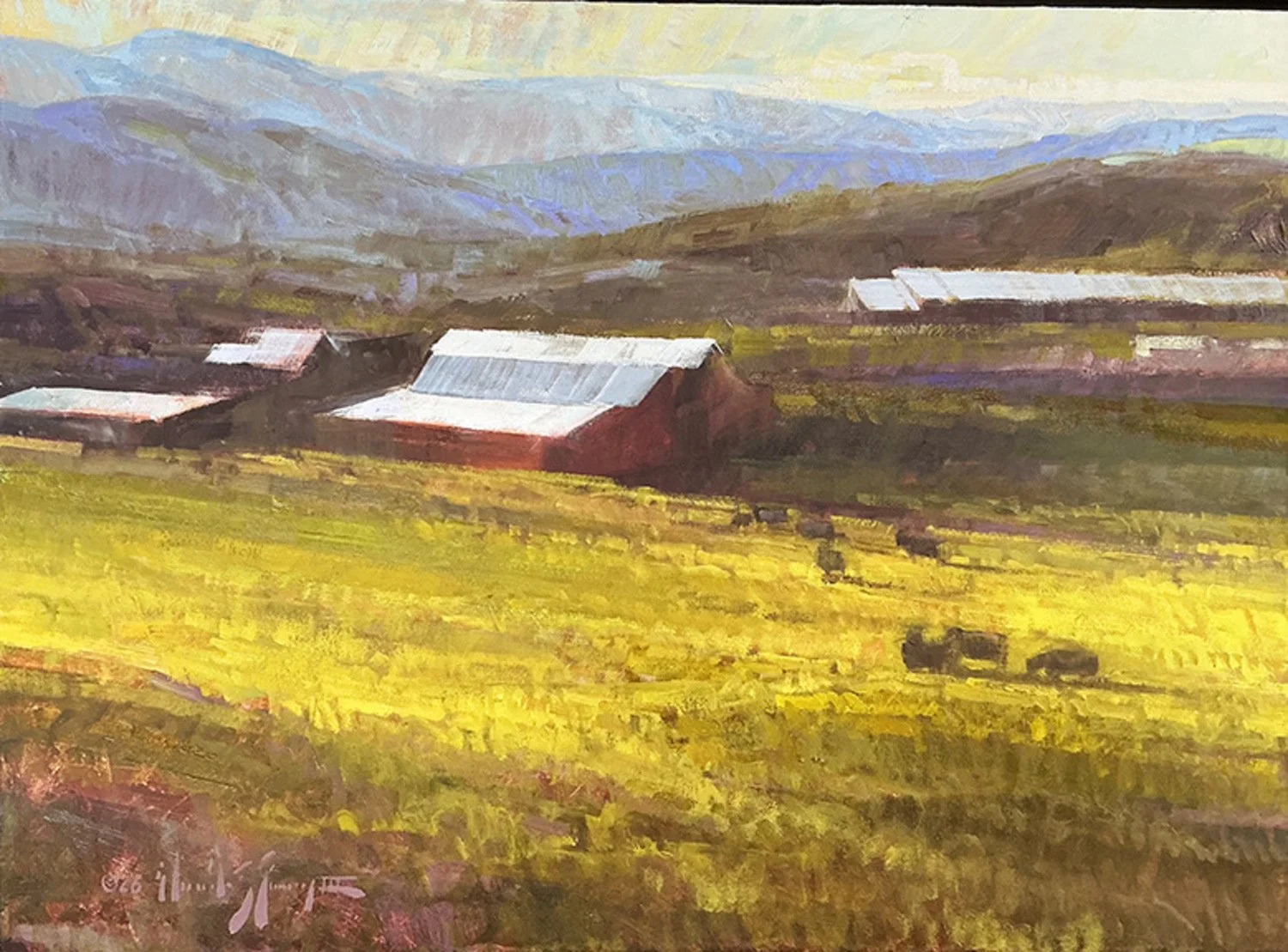
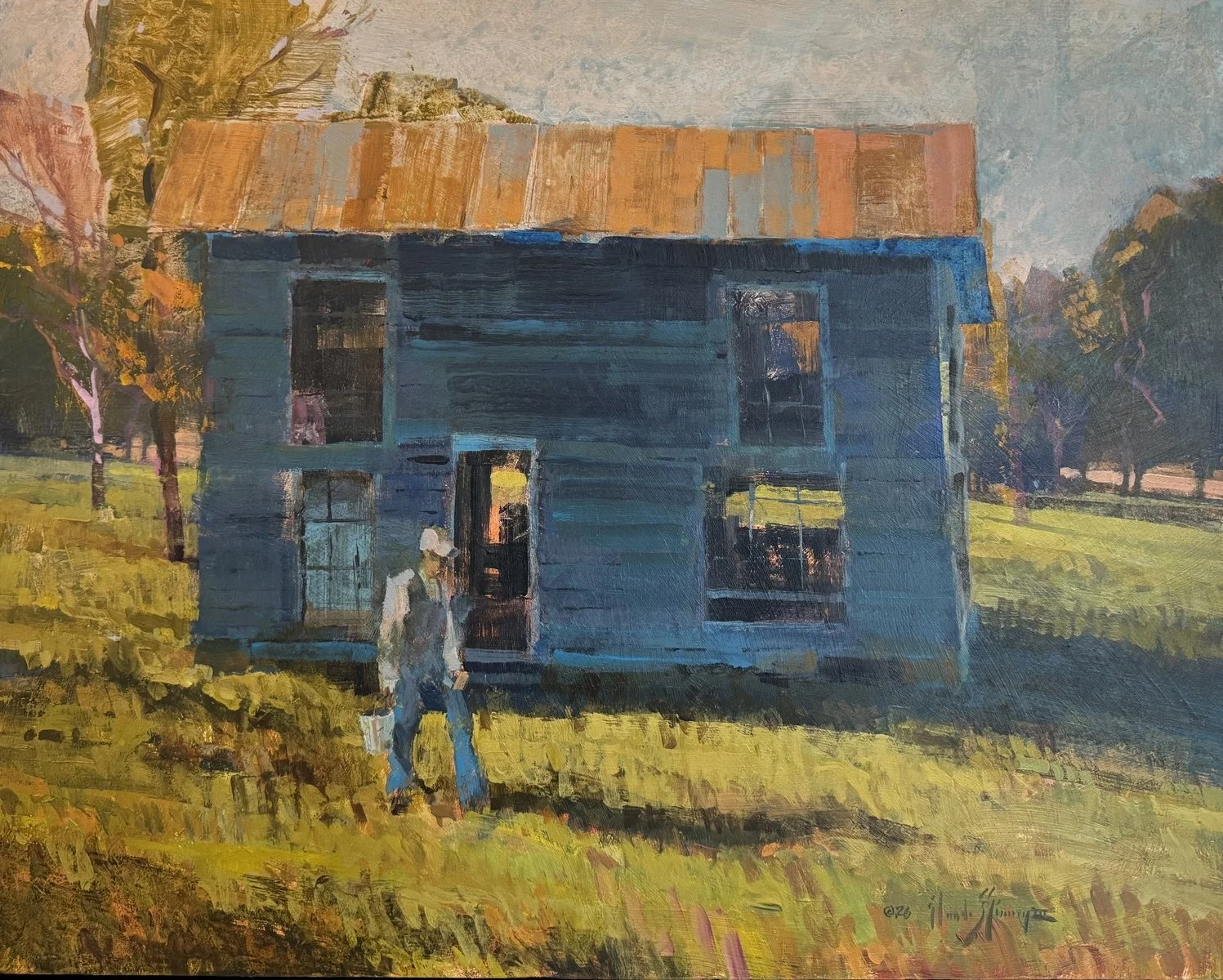
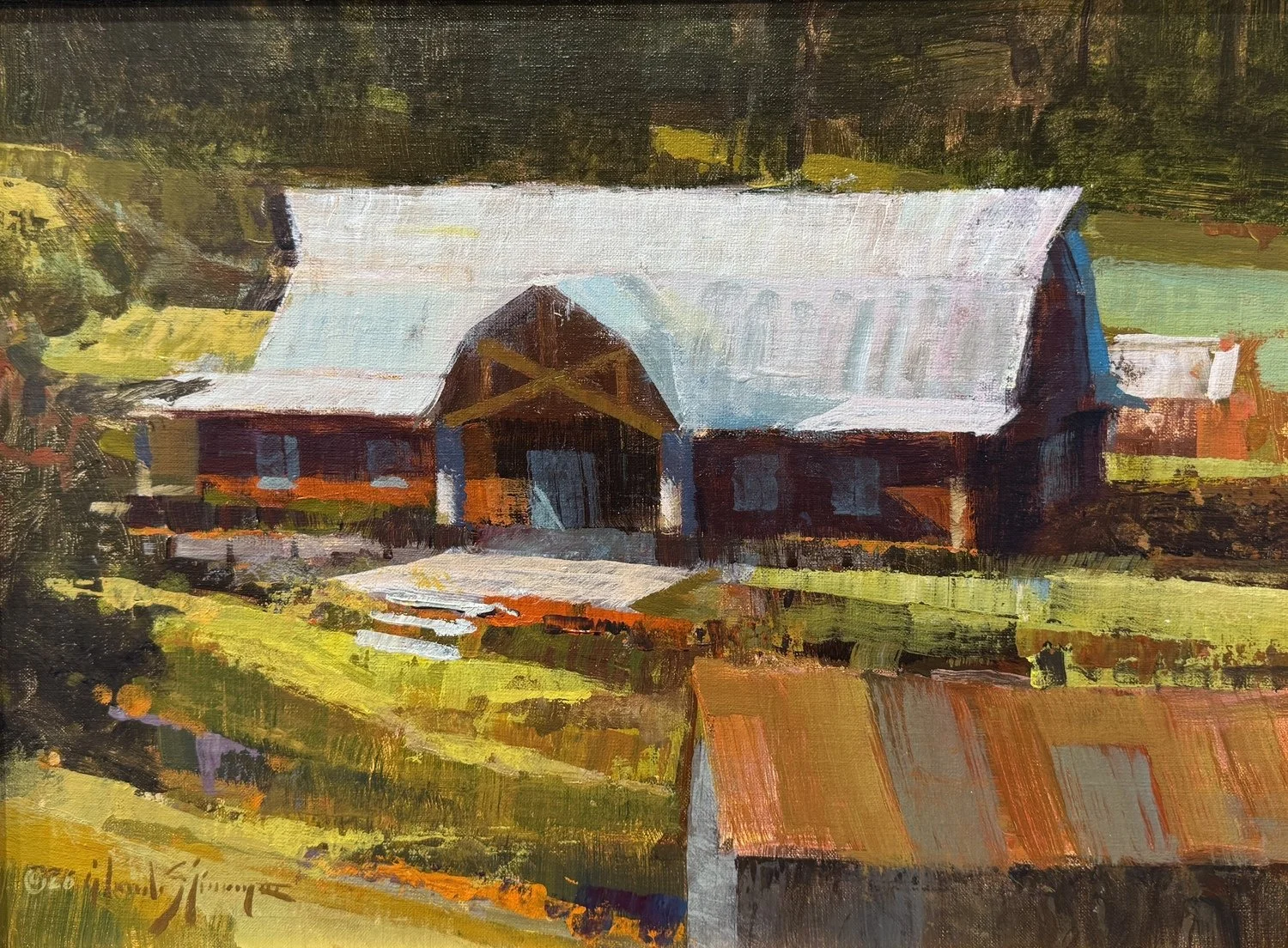
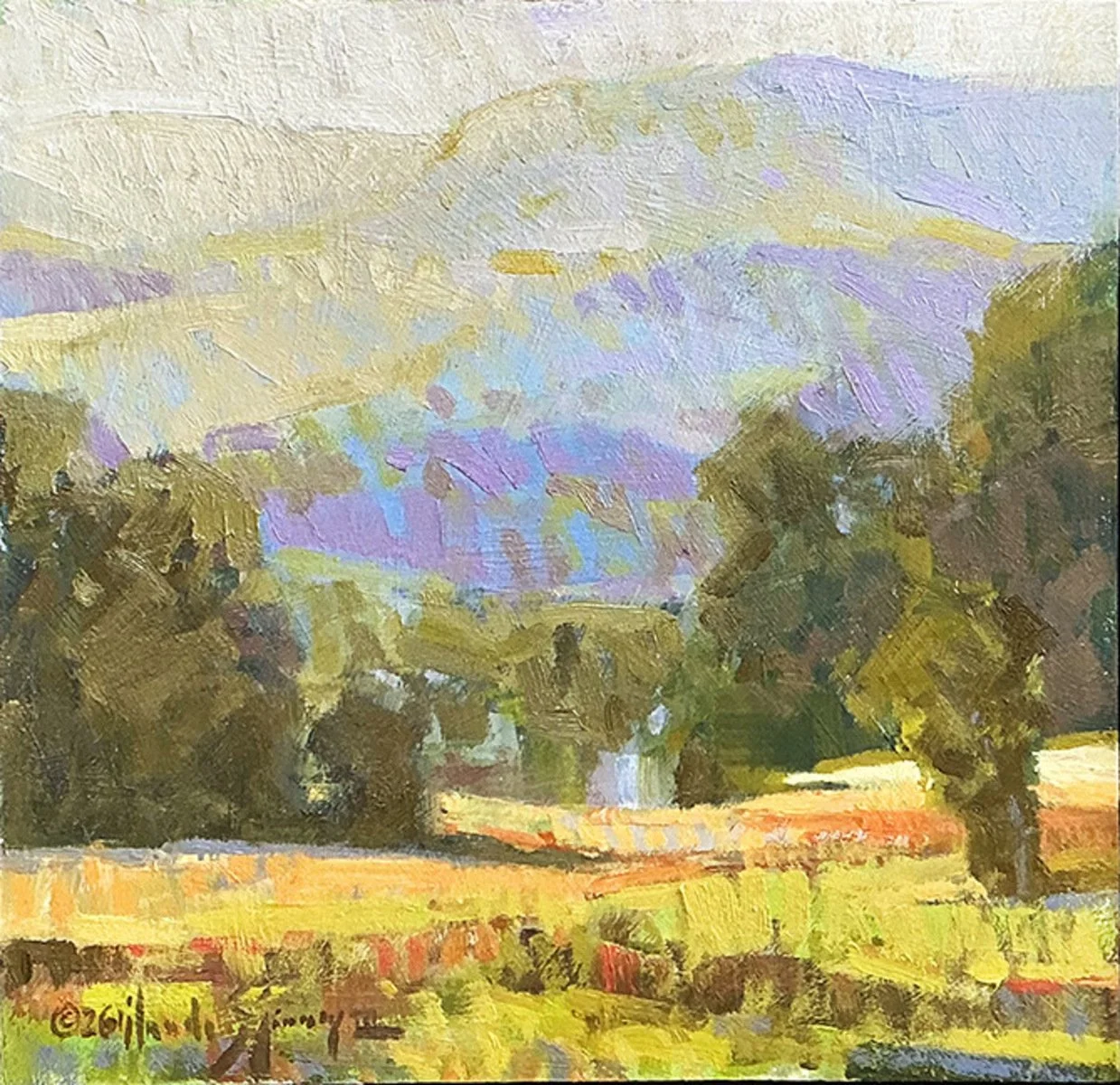
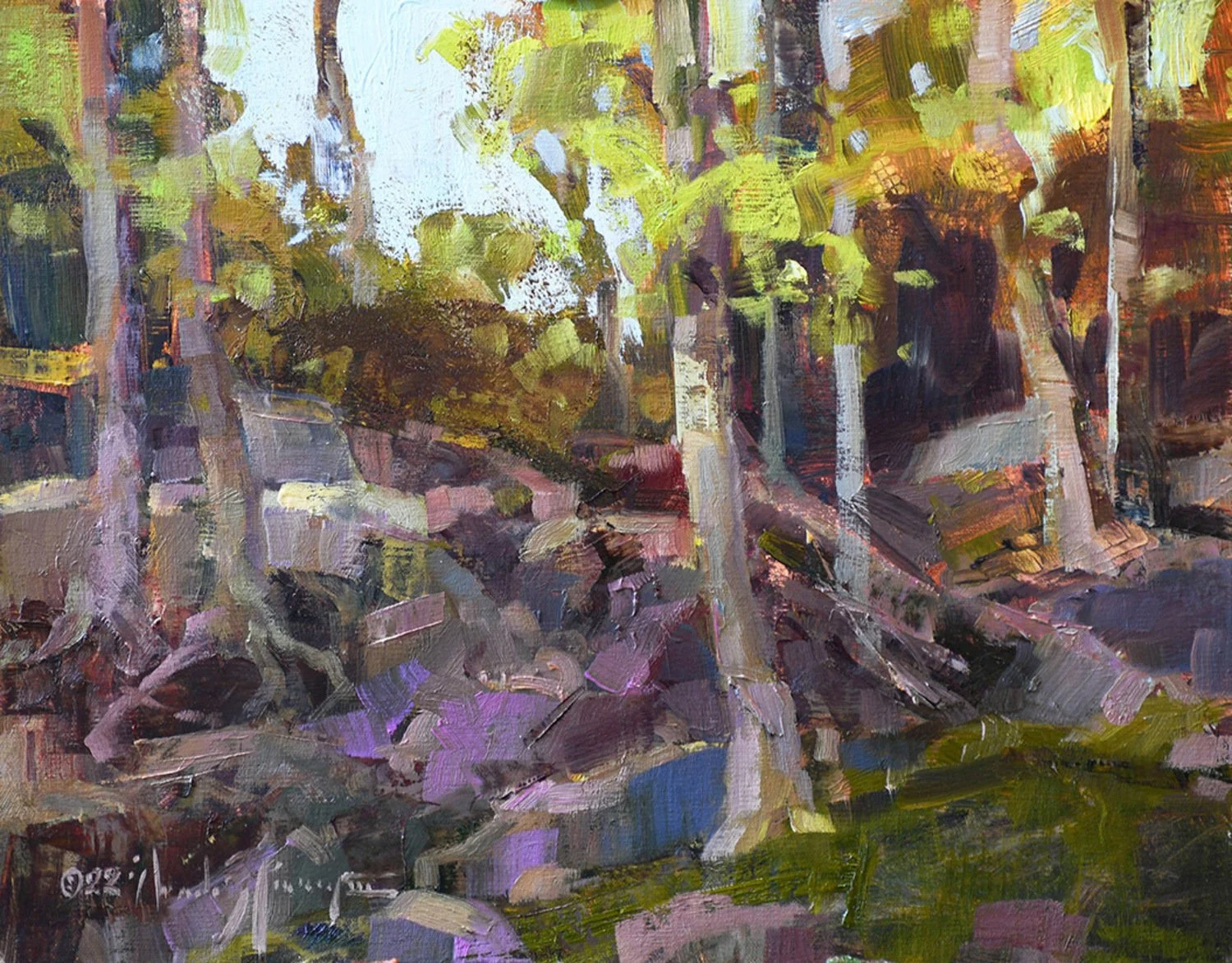
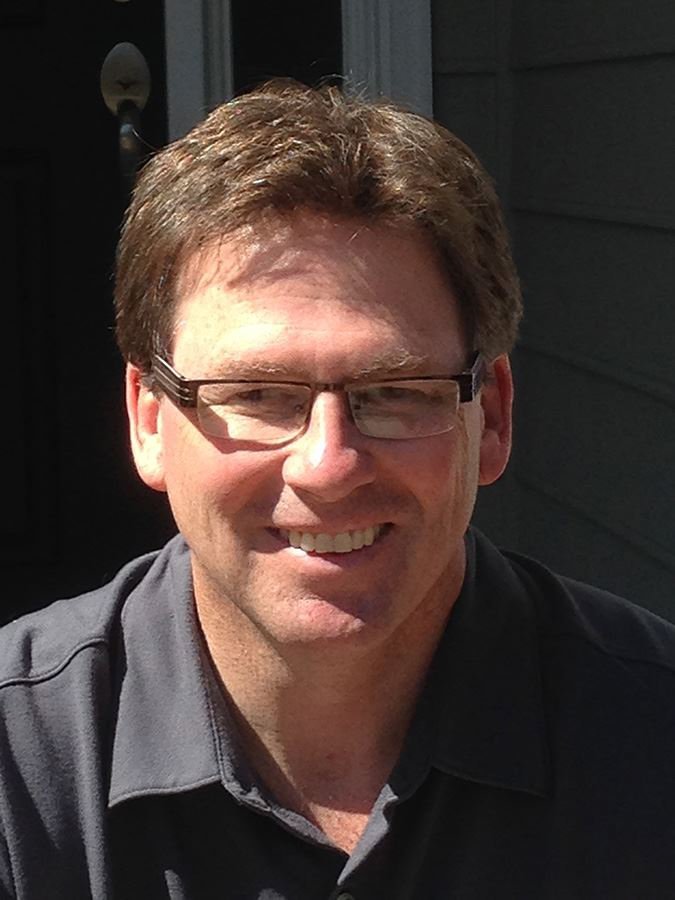
Trey Finney is a South Carolina native and a working impressionist who calls his approach "Natural Impressions" — painting under the influence of the subject rather than in service to it. Color first, drawing second, and underneath both an abstract design holding the picture together. The result is landscape that feels remembered rather than recorded.
He came to fine art the long way around. After Ringling and a stint as an architectural illustrator, he spent fifteen years as a feature animator at Walt Disney's Florida studio, contributing to The Lion King, Beauty and the Beast, Mulan, Pocahontas, Lilo & Stitch, and Brother Bear. He has been painting full-time since leaving Disney, and the discipline of those years — the draftsmanship, the staging, the feel for color and light — is everywhere in the work.
Finney is a member of the American Impressionist Society, the Oil Painters of America, the Society of Animal Artists, and the Plein Air Painters of the Southeast. His paintings hang in the permanent collection of the Leigh Yawkey Woodson Art Museum, and he has taken top honors at AIS National, Plein Air Easton, and the Society of Animal Artists.
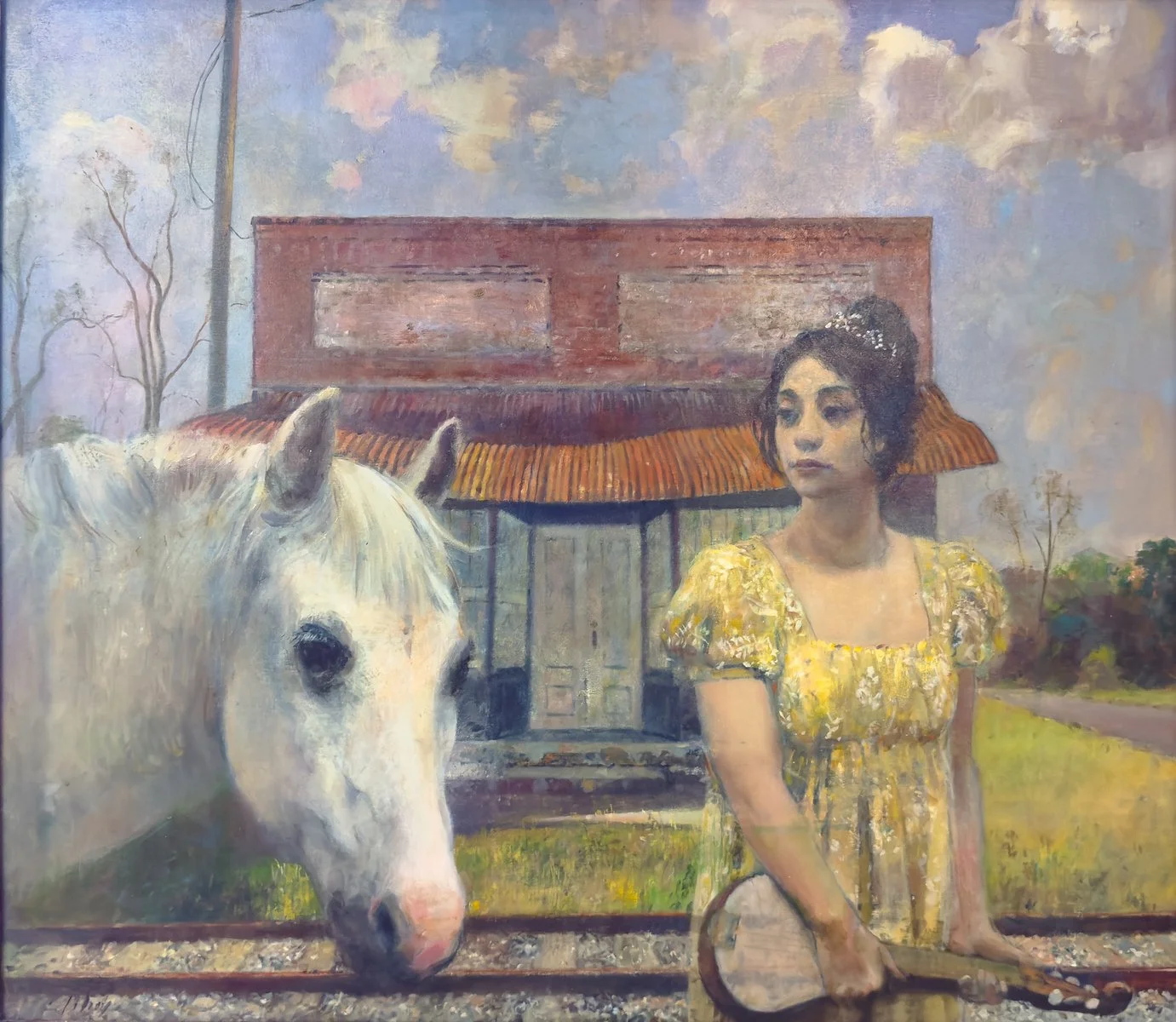
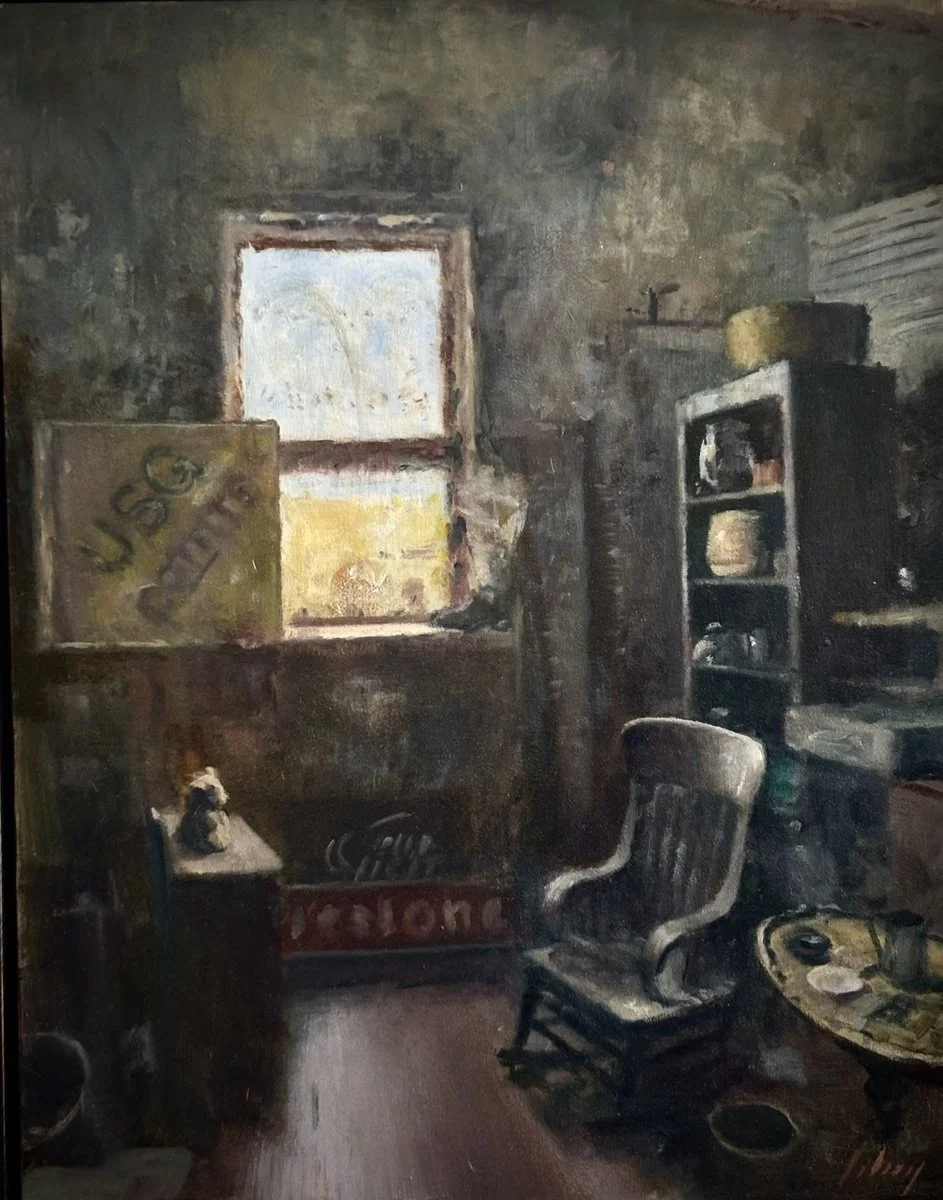
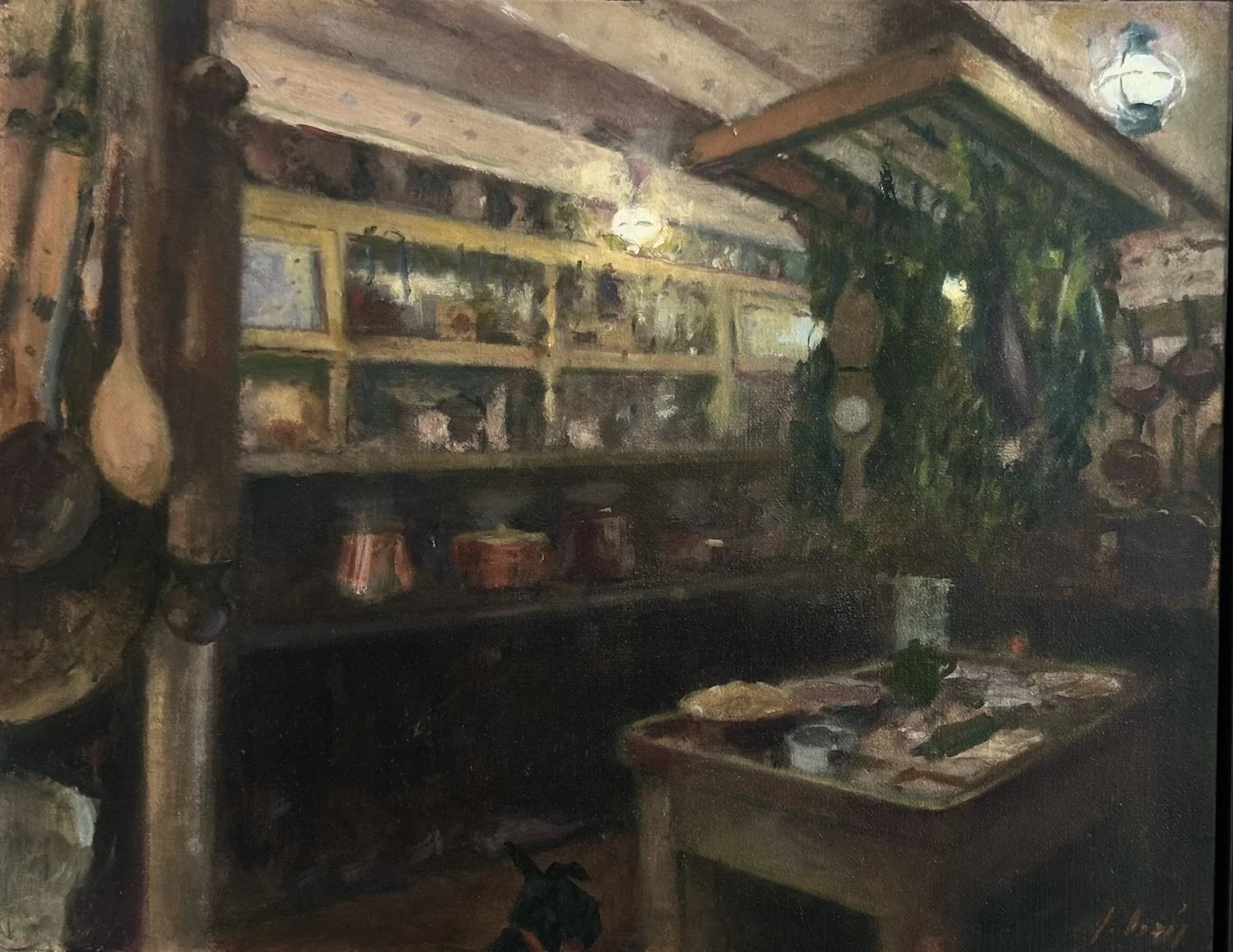
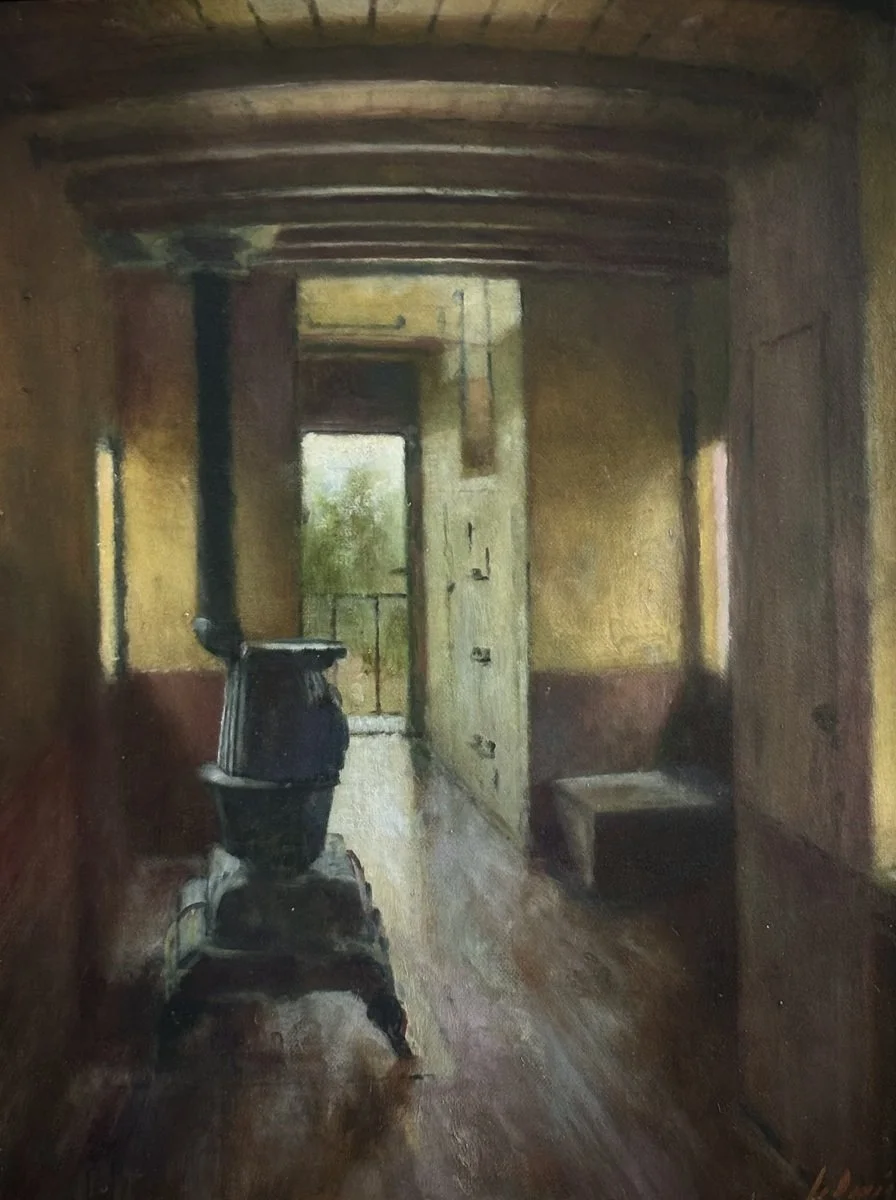
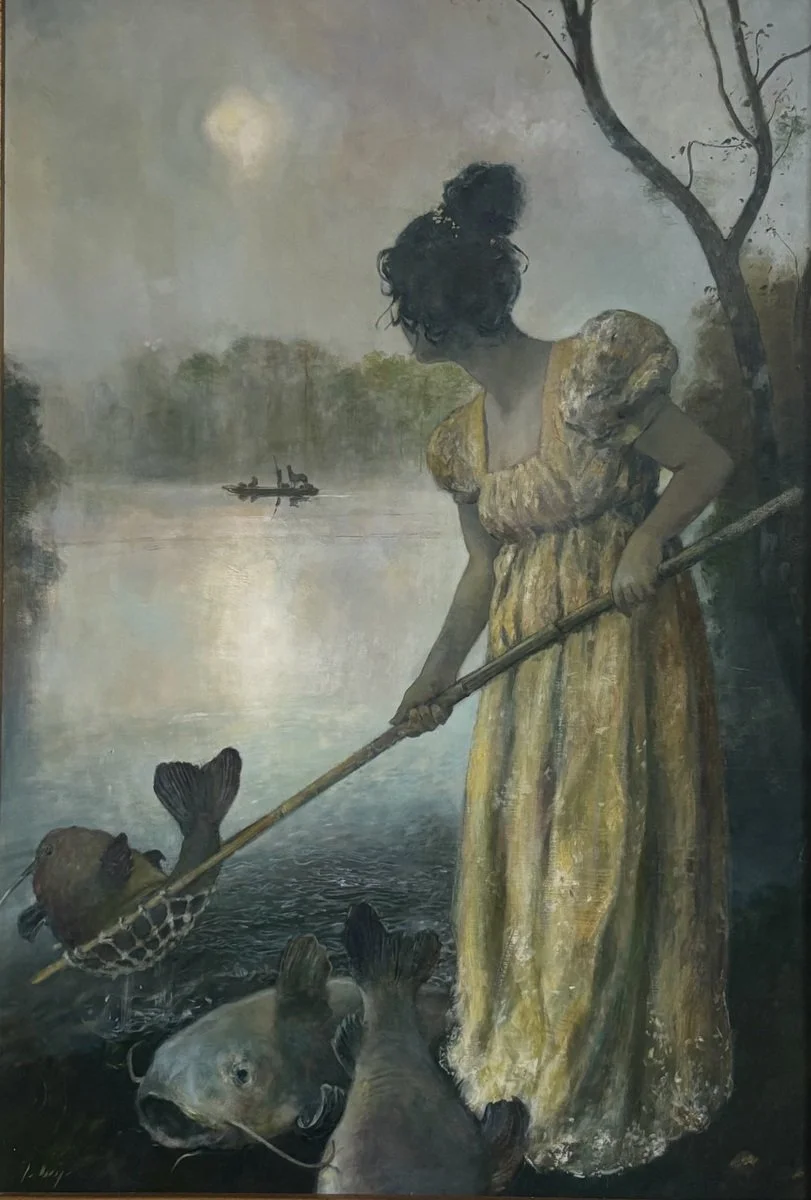
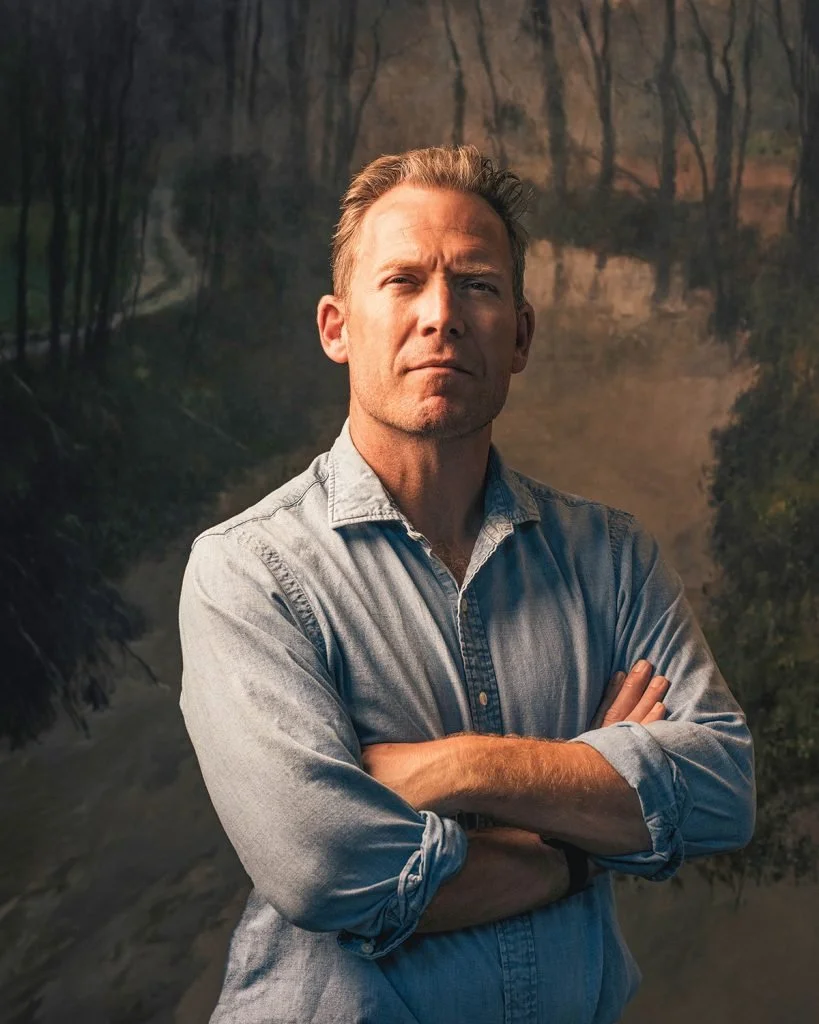
Julyan Davis is an English-born painter and novelist who has been making the American South his subject for more than thirty years. He trained at the Byam Shaw School of Art in London, then in 1988 followed a single book — Carl Carmer's Stars Fell on Alabama — across the Atlantic, drawn by the strange story of a Bonapartist colony settled at Demopolis. He never really left.
His early work documented what he calls the vanishing South: roadside folk art, demolished motels, the interiors of boarded-up antebellum houses, the architecture of places about to disappear. Over the past decade his canvases have taken on a second layer — narrative paintings drawn from Appalachian murder ballads, from regional folklore, from the Scottish-rooted music that connects this part of North Carolina back to his own homeland. His series Dark Corners: The Appalachian Murder Ballads has toured regional museums since 2012.
His paintings are in the permanent collections of the Asheville Museum of Art, the Gibbes Museum (Charleston), the Greenville County Museum of Art, the Morris Museum (Augusta), the Duke Endowment, and the North Carolina Governor's Mansion. His debut novel A History of Saints was a 2022 Thurber Prize semifinalist.
36 x 48 ″